
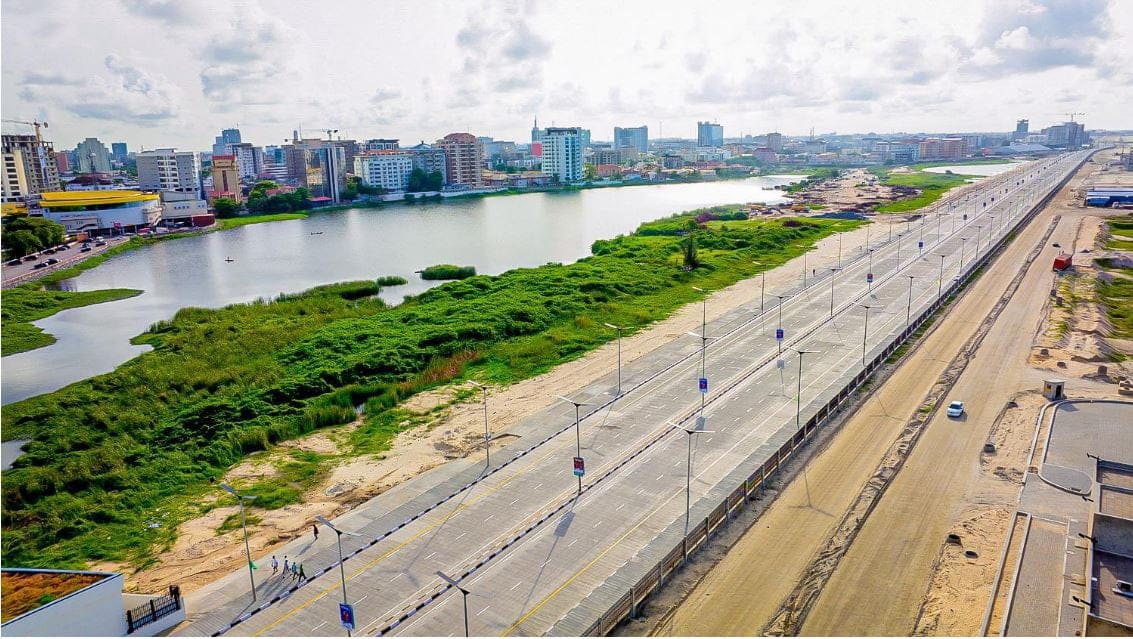
Halfway through the year, one trend has become impossible to ignore: infrastructure is once again proving to be one of the strongest drivers of real estate activity in Nigeria.
While conversations around affordability, inflation, and housing supply continue to shape the market, the Lagos-Calabar Coastal Highway has emerged as one of the most influential developments redefining investor behaviour and property conversations across the country.
What started as an ambitious infrastructure project is already leaving its mark on the real estate landscape.
The Shift Is Already Happening
Real estate markets don’t wait for ribbon-cutting ceremonies.
Long before projects are completed, expectations of improved accessibility and economic activity begin to shape buying decisions. That shift is already visible along the Lagos-Calabar Coastal Highway corridor.
Investors are paying closer attention to communities connected to the route. Developers are reassessing expansion plans. Landowners are re-evaluating the value of their properties. Areas that once sat on the fringes of investor interest are finding themselves back in the spotlight.
The market isn’t responding to what the highway might become. It is responding to what it already represents.
Lagos: The First Wave of Impact
Lagos has become the clearest example of this transformation.
Growth corridors that were already gaining momentum are experiencing renewed interest as buyers position themselves ahead of further appreciation. The conversation is no longer limited to established prime locations. Investors are increasingly asking:
“What’s next?”
Developers are exploring opportunities to meet rising demand through residential estates, mixed-use developments, retail spaces, and hospitality projects.
For many buyers, the focus has shifted from purchasing in mature markets to identifying strategic locations with room for growth.
Beyond Lagos: A Broader Property Conversation
Perhaps one of the most significant outcomes of the coastal highway is that it is expanding Nigeria’s real estate conversation beyond its traditional centres.
Cities and communities that previously attracted limited investor attention are now being viewed through a different lens. Improved connectivity brings visibility. Visibility attracts investment.
For Calabar, a city long recognised for its tourism appeal and cultural significance, the highway strengthens conversations around hospitality, residential development, and commercial opportunities.
The result is a growing recognition that the next wave of real estate opportunities may not be confined to familiar locations.
More Than a Road
The impact of the Lagos-Calabar Coastal Highway extends far beyond shorter travel times.
It is influencing where people choose to invest, where businesses consider expansion, and how developers think about future growth.
It is accelerating conversations around:
- New residential communities,
- Tourism-driven developments,
- Commercial expansion,
- Logistics and trade efficiency,
- Employment creation across connected regions.
In many ways, the highway is becoming both a physical connector and an economic signal.
The Lekki Lesson
Nigeria has seen this story before.
Infrastructure has a way of changing perceptions before it changes skylines.
Lekki was once considered too far, too risky, and too speculative. Yet strategic investments transformed it into one of the country’s most sought-after property destinations.
That experience explains why many investors are no longer waiting for the Lagos-Calabar Coastal Highway to be completed before making decisions.
They understand that in real estate, the biggest gains often go to those who recognise change while it is still unfolding.
Growth Requires Intention
Of course, rapid development brings important questions.
How will communities along the corridor adapt to increasing demand? Can growth occur without compromising environmental sustainability? Will urban planning keep pace with rising interest?
The opportunities are significant, but so is the responsibility to ensure that development remains inclusive, structured, and sustainable.
The challenge is no longer whether growth will happen. It is how well it will be managed.
What This Means for Investors
As we take stock of the first half of the year, one message stands out:
Nigeria’s property map is not waiting to be rewritten. It is already being redrawn.
The Lagos-Calabar Coastal Highway has become more than an infrastructure project. It has become a market signal—one that is influencing investment decisions, reshaping perceptions of value, and directing attention toward new possibilities.
For investors, developers, and homebuyers, the lesson is simple: real estate rewards awareness.
By the time everyone agrees that an area is “the next big thing,” the early advantage is often gone.
The most important question this mid-year isn’t whether the Lagos-Calabar Coastal Highway will change Nigeria’s real estate market.
The evidence suggests that it already is.
The real question is: Are you paying attention to where the map is being redrawn?