
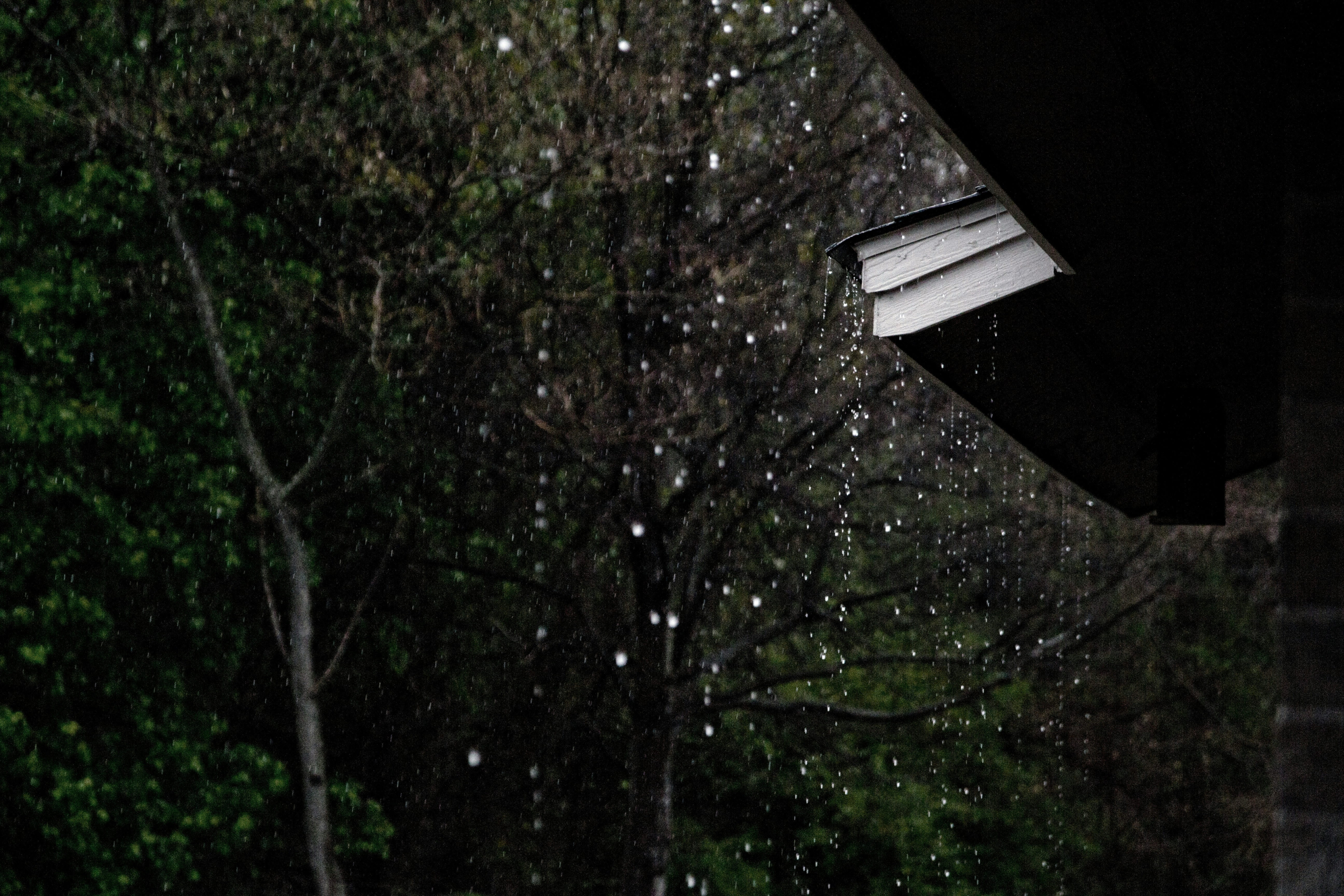
Rainy season brings more than cloudy skies and heavier traffic; it places real pressure on how estates are managed. In many Nigerian communities, heavy rainfall quickly reveals whether maintenance systems are strong enough to protect residents, infrastructure, and property value.
Poor preparation can lead to flooded roads, damaged buildings, blocked drainage systems, and costly repairs that could have been avoided. Proper estate management is not simply about fixing problems after they happen. It is about anticipating risks and putting systems in place to reduce damage before it occurs.
Here are four things effective estate management teams should prioritize during rainy season.
1. Regular Drainage Inspection and Maintenance
One of the biggest causes of flooding within residential estates is poor drainage management. Drainage systems are designed to move water away from roads, compounds, and buildings, but they only work properly when they are regularly maintained.
Estate management should routinely inspect drainage channels, remove waste buildup, clear blocked gutters, and identify areas where water flow has become restricted. Small blockages can quickly become major problems when rainfall increases.
Consistent drainage maintenance helps reduce flood risk, protects roads from damage, and prevents standing water that can affect both infrastructure and resident comfort.
2. Conduct Preventive Property and Infrastructure Inspections
Rainy season is often when hidden maintenance issues begin to show. A small roof weakness may become a major leak. Minor cracks can worsen when exposed to continuous rainfall. Damaged walkways and poor road conditions can quickly become safety concerns.
Proper estate management should carry out preventive inspections across shared infrastructure before problems escalate.
This includes checking roofing systems, estate roads, drainage networks, lighting systems, shared facilities, and water-sensitive areas within the community.
Preventive maintenance is often far less expensive than emergency repairs. Estates that inspect early usually experience fewer disruptions during peak rainy periods.
3. Strengthen Communication With Residents
Good estate management is not only operational, it is also communicative.
During periods of heavy rainfall, residents benefit from timely updates about maintenance activities, weather-related concerns, drainage work, or temporary safety measures.
When communication systems are weak, residents may feel uninformed during situations that require quick response.
Providing regular updates helps residents understand ongoing efforts, report issues faster, and take precautions when necessary.
A well-informed community often responds better during challenging weather conditions.
4. Respond Quickly to Small Maintenance Issues
One of the biggest mistakes estates make during rainy season is delaying maintenance.
A minor drainage issue today can become flooding next week. A small leak left unresolved can eventually lead to structural damage, wall deterioration, or expensive repairs.
Fast response systems help prevent small issues from growing into larger operational challenges.
Proper estate management teams understand that speed matters, especially during periods of heavy rainfall where conditions can change rapidly.
Final Thought
Rain damage control begins long before floodwater appears.
Strong estate management focuses on preparation, consistency, preventive maintenance, and quick action. These systems not only protect infrastructure, they protect resident experience and long-term property value.
Because during rainy season, the strength of an estate is not measured by how beautiful it looks when the sun is shining, but by how well it performs when the rain arrives.