


The hospitality industry is changing, and sustainability is becoming an important part of how modern properties are designed, operated and managed. From hotels and serviced apartments to shortlets and residential estates, property owners are beginning to recognise that providing a comfortable experience goes beyond beautiful interiors and quality furniture.
In Nigeria, where electricity costs, unreliable power supply, water management and maintenance expenses remain major concerns, operating a hospitality property efficiently is both an environmental and financial decision.
Guests want comfort and convenience, but property owners also need to control operating costs and protect their investments. This is where energy efficiency and smart infrastructure come in.
Here are five reasons they matter to the future of sustainable hospitality.
1. Energy Efficiency Helps Reduce Operating Costs
Electricity is one of the major expenses associated with running hospitality properties in Nigeria. Air conditioners, refrigerators, lighting, water heaters and other appliances consume energy throughout the day, especially in properties with frequent guest turnover.
Without proper energy management, these expenses can quickly reduce profit margins.
Simple improvements such as installing energy-efficient lighting, using inverter-compatible appliances, maintaining air-conditioning systems and switching off unused equipment can make a difference. Property owners can also consider solar power and battery storage systems to reduce dependence on generators and manage electricity expenses more effectively.
These investments may require an initial financial commitment, but they can help reduce recurring energy costs over time.
The takeaway: Energy efficiency is not just about protecting the environment. It is also a practical way to manage expenses and improve the financial performance of a hospitality property.
2. Smart Infrastructure Improves the Guest Experience
Imagine checking into a shortlet where the lighting is easy to control, the electricity supply is reliable, access is secure and basic facilities work as expected. These details may seem small, but they contribute significantly to a comfortable stay.
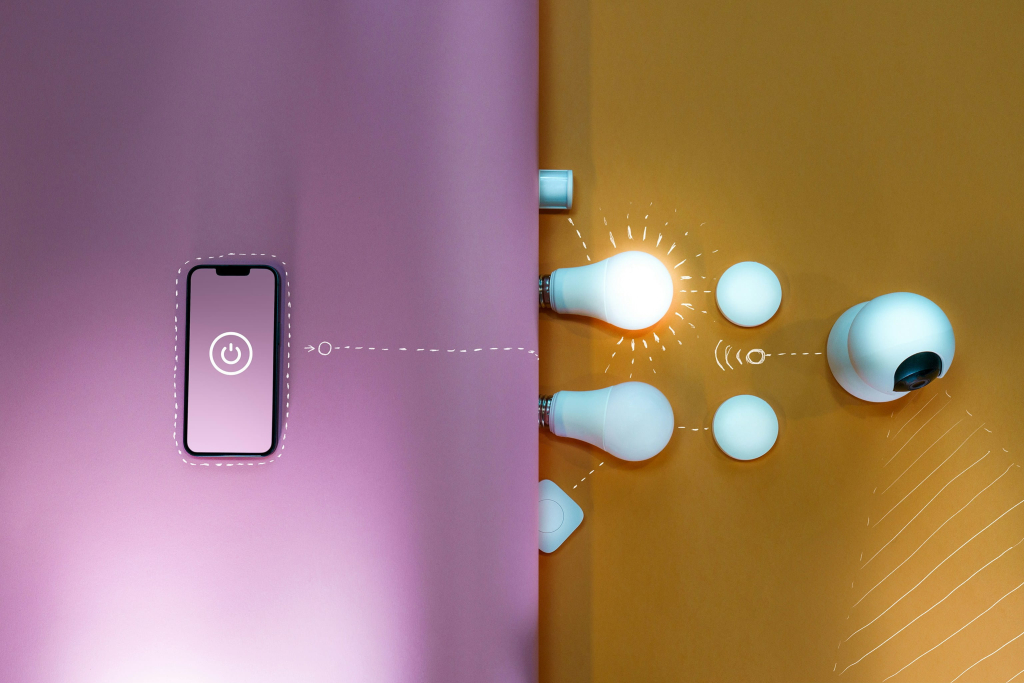
Smart infrastructure makes it easier to manage essential property functions through connected systems and automated processes. Depending on the property’s needs and budget, this may include smart meters, automated lighting, digital access control, energy monitoring systems and smart security solutions.
For hospitality operators, these technologies can improve convenience while helping management monitor how facilities are being used.
In a competitive market like Lagos, where guests have several accommodation options, properties that combine comfort, reliability and convenience have an opportunity to stand out.
The takeaway: Smart infrastructure should make everyday living easier for guests while giving property managers better control over their facilities.
3. Water and Waste Management Are Part of Sustainability
Sustainable hospitality is not limited to electricity. Water consumption and waste management also affect the cost and environmental impact of operating a property.
Leaking taps, faulty plumbing, excessive water usage and poor waste disposal can create avoidable expenses and inconvenience for guests. In larger properties, these problems can become even more difficult to manage without proper systems.
Property owners can introduce water-efficient fittings, conduct regular plumbing inspections, install appropriate water monitoring systems and establish clear waste disposal practices. Recycling and responsible waste separation can also help reduce the amount of waste generated by hospitality operations.
These measures support a cleaner environment while helping properties operate more responsibly.
The takeaway: Sustainable property management considers the entire building, from electricity and water to waste disposal and maintenance.
4. Preventive Maintenance Protects Property Value
One of the biggest mistakes property owners can make is waiting until something breaks before taking action.
A faulty air conditioner, leaking roof, damaged electrical installation or inefficient generator can affect guest satisfaction and lead to expensive emergency repairs. In hospitality, where guests expect facilities to work consistently, these problems can quickly damage a property’s reputation.
Preventive maintenance helps identify potential problems before they become major expenses. Regular servicing of electrical systems, plumbing, generators, solar installations and cooling equipment can improve efficiency and extend the lifespan of essential facilities.
Technology can make this process easier by helping property managers record maintenance requests, track repairs and monitor recurring issues.
With structured solutions like Est8Plus, estate managers and property owners can organise maintenance activities, improve communication and keep better records of property operations.
The takeaway: Maintaining infrastructure is not simply an expense. It is an investment in the property’s long-term performance and value.
5. Sustainable Properties Can Become More Attractive to Guests and Investors
As awareness of sustainability grows, energy efficiency and responsible property management can become important considerations for both guests and investors.
Guests may appreciate properties that provide reliable power, comfortable indoor temperatures, efficient water systems and well-maintained facilities. Investors, on the other hand, may consider how energy consumption, maintenance requirements and infrastructure quality affect the property’s operating costs and long-term returns.
A sustainable property does not necessarily need expensive technology everywhere. The priority should be identifying the systems that offer the greatest practical value and introducing improvements gradually.
For example, a shortlet owner could begin with energy-efficient lighting and appliances before investing in solar power, smart metering or automated controls.
The takeaway: Sustainability should be approached as a long-term strategy, combining practical improvements with investments that make financial sense.
What Does the Future of Sustainable Hospitality Look Like?
The future of hospitality in Nigeria will depend not only on how attractive properties look but also on how efficiently they operate.
As energy costs and guest expectations continue to influence the industry, property owners will need to think more carefully about infrastructure, resource management and technology. Energy-efficient appliances, renewable energy, smart metering, automated systems and preventive maintenance will become increasingly relevant to the way modern properties are managed.
For estate managers and hospitality operators, having the right management systems will also be important. Solutions like Est8Plus support more organised property operations, helping managers coordinate maintenance, track activities and improve communication with residents and other stakeholders.
Final Thought
Sustainable hospitality is not about making a property look environmentally friendly. It is about building and managing spaces that use resources responsibly, control operating costs and provide a consistently comfortable experience.
From reducing energy waste to investing in smart infrastructure, every improvement contributes to a more efficient property.
At Est8Plus, we believe the future of real estate is not just about smarter buildings, but smarter ways of managing them.